
Most businesses don’t have a marketing problem. They have a clarity problem. You’re posting regularly, boosting the odd piece of content, maybe even running a campaign or two. But it still feels like your message is landing softly.
Video is one of the quickest ways to sharpen that message, because it carries what written posts can’t: pace, tone, proof and personality, all at once. And on social media, where attention is ‘rented’ by the second, that combination matters.
The mistake is treating video like a creative extra, something you only do when you have budget, time, or a big announcement. But the businesses seeing consistent results treat it like infrastructure: a repeatable way to communicate value, earn trust faster, and turn attention into enquiries.

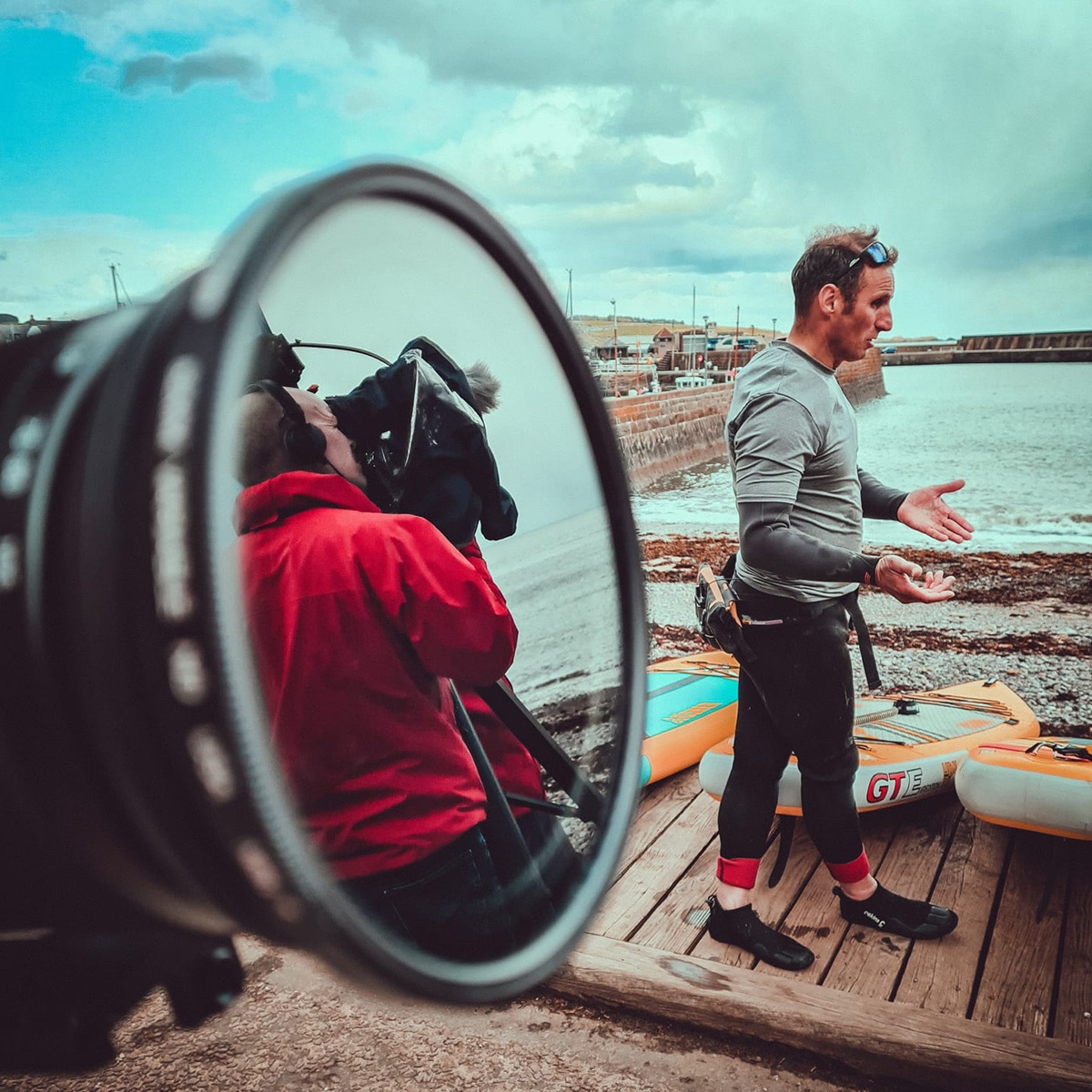
Why video keeps winning the feed
Video drives outcomes you can measure. LinkedIn reported in 2024 that video watch time was up 36% year-on-year, and that video posts are shared 20× more than any other content type. Shares are free distribution. If you’re trying to reach beyond your existing followers, that matters.
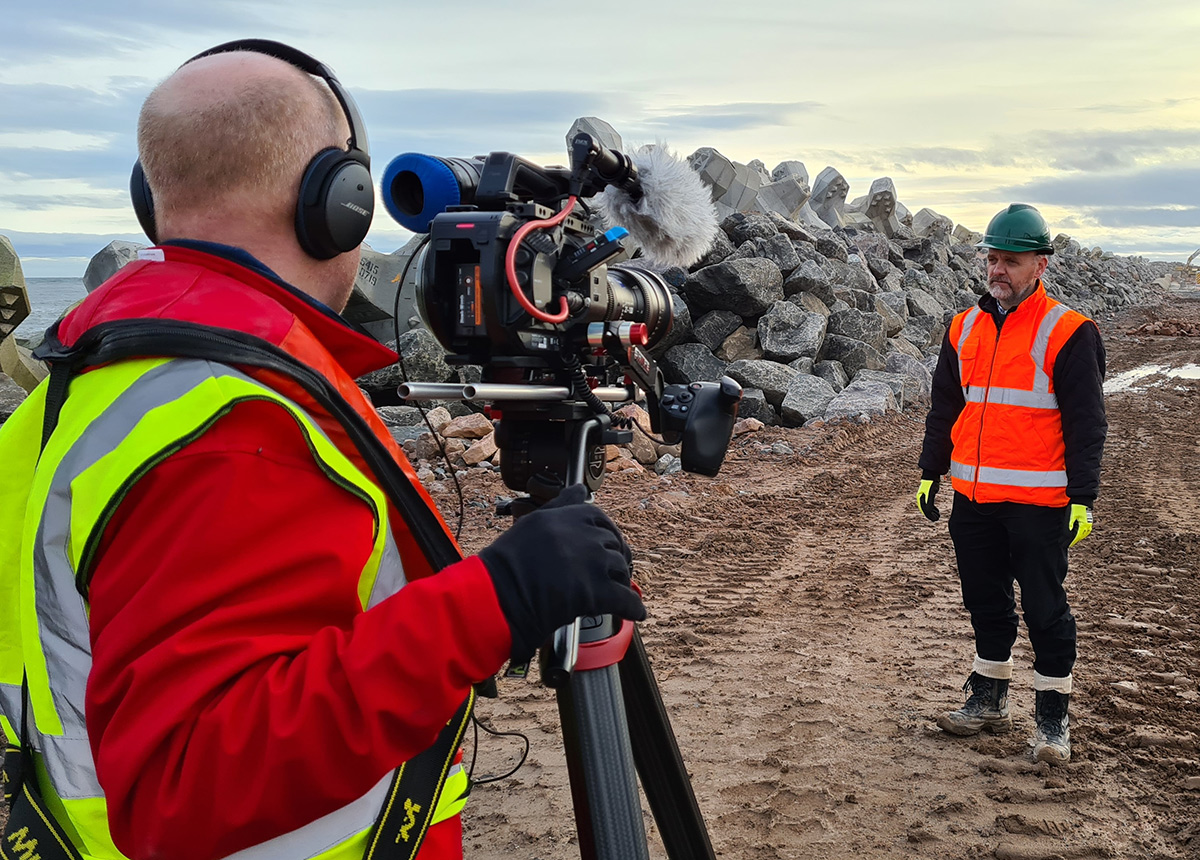
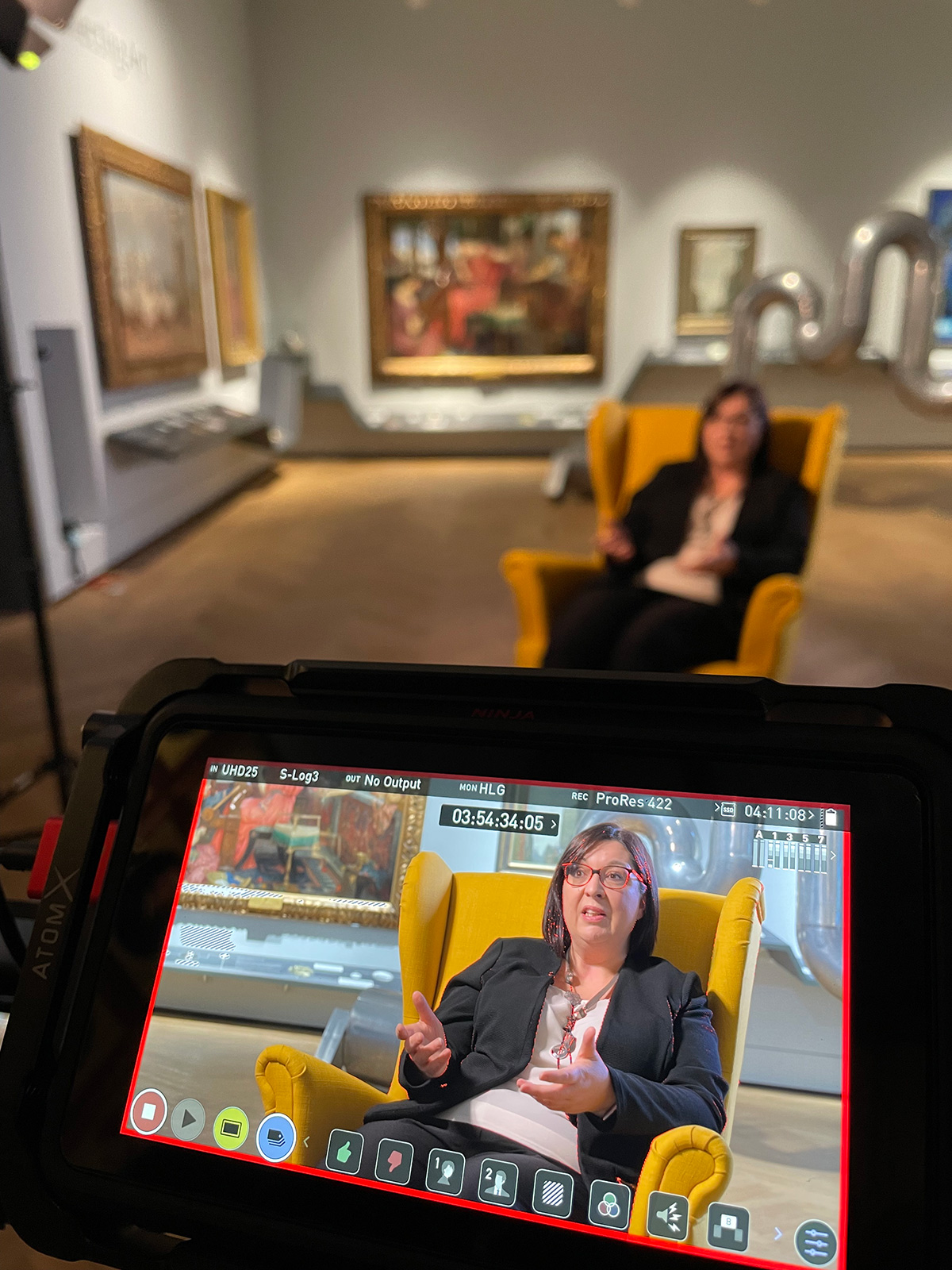
Video consolidates trust
The biggest advantage of video is that it reduces uncertainty. People buy when the perceived risk drops low enough. Video drops that risk by showing what you do, how you do it, and who’s behind it quickly. Viewers retain 95% of a message when they watch it in video, compared to 10% when reading it in text*.
Even if your audience isn’t buying on the spot, you’re building recall and confidence that shows up later in click-throughs, replies, and sales calls that start with: “I’ve been seeing your stuff.”

Two practical advantages come from working this way. First, your best ideas don’t expire after one post, they become assets you can re-cut, re-caption, and re-target. Second, your paid spend gets smarter: you can boost the clips that prove they hold attention.
What to film when you don’t know what to film
If you’re aiming for commercial impact, think about what your audience wants.
- Proof: results, testimonials, before/after, quick case studies.
- Process: how it works, what happens next, what you do differently (and why it reduces risk for the buyer).
- Point of view: your take on common mistakes, myths, and what you’d advise if someone had 60 seconds with you.

One final strategic advantage: video creates a feedback loop. Every comment, drop-off point, save, and share tells you what your market actually cares about. Done well, video doesn’t just “perform” on social. It removes friction: it answers questions before they’re asked, shows credibility without shouting, and makes the right clients feel like they’ve already met you.
That’s when marketing stops feeling like effort and starts feeling like momentum.
*citations
- HubSpot, The HubSpot Blog’s 2024 Video Marketing Report: marketers rate short-form video as the #1 ROI format; survey respondents also report social media as the channel delivering the highest ROI and generating the most leads. https://blog.hubspot.com/marketing/video-marketing-report
- Insivia: viewers retain 95% of a message when they watch it in video vs 10% when reading it in text. https://www.insivia.com/2023-saas-marketing-report/
- DataReportal, Digital 2024: Global Overview Report: 97%+ of working-age internet users use social networks or messaging platforms each month (context for where video is being consumed and shared). Source: https://datareportal.com/reports/digital-2024-global-overview-report
For more Insights click here: https://www.signalfilm.tv/insights/
or call us to discuss your next video, drone filming or animation.